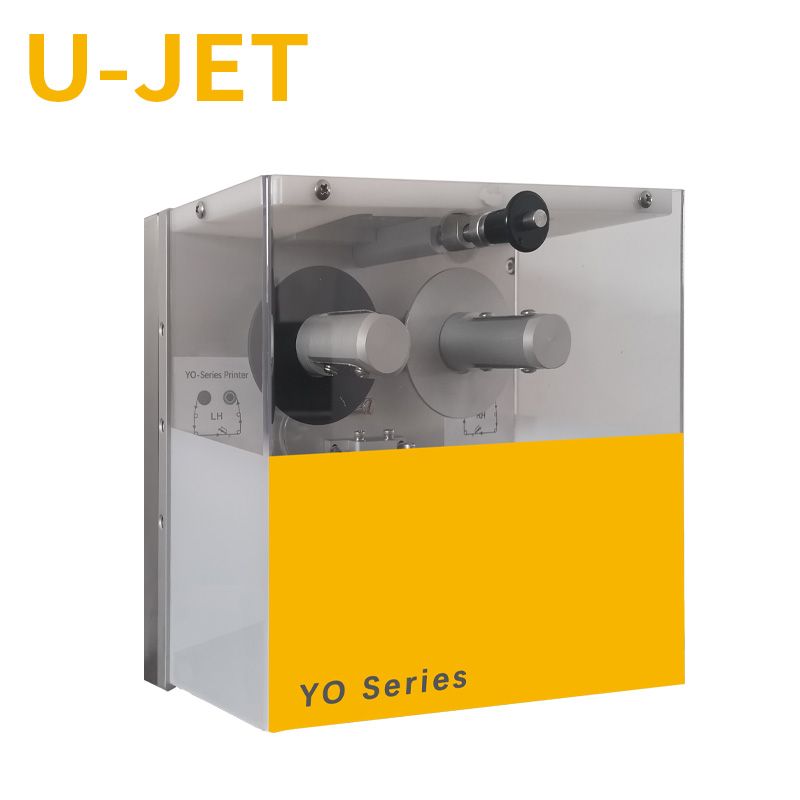
Laser Coding Printer:
A Solution for Permanent Marking
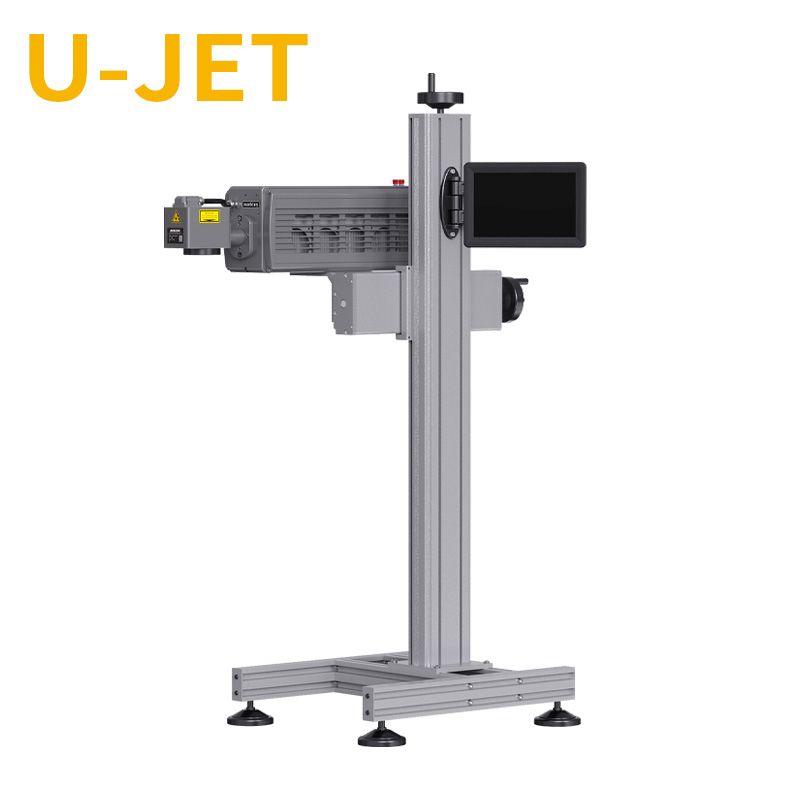
Laser coding printers use a focused laser beam to create marks by altering the surface of a material. This process is contactless and provides a permanent marking method for industrial production lines.
Key Characteristics & Operational Advantages
● Permanent Marking: Laser marking creates a lasting impression by modifying the material surface. These marks generally offer good resistance to abrasion and environmental factors.
● Non-Consumable Operation: As the process does not require inks, solvents, or other routine consumables, it can reduce material costs associated with these supplies over time.
● Contactless Processing: The laser operates without touching the product surface. This minimizes the risk of marking-related damage to delicate items.
● Precision and Flexibility: These systems can produce detailed marks, including small text and high-density codes. Content can be updated directly through software control.
Suitable Materials
Laser coding is applicable to a range of materials. The final result is influenced by the material composition, surface characteristics, and the type of laser system used.
● Plastics: Such as ABS, PE, PP, and acrylic.
● Metals: Including steel, aluminum, and anodized metals.
● Other Surfaces: Like coated cardboard, glass, and ceramics.
(The contrast and legibility of the mark can vary. We recommend testing with your specific product to confirm suitability.)
Common Industry Applications
This technology is implemented in sectors where permanent product identification is a standard requirement.
● Automotive and Electronics: For marking components with serial numbers and traceability codes.
● Medical Devices: Used on instruments and device packaging where mark permanence is critical.
● Food and Beverage: Applying batch numbers and dates on rigid packaging like cans and glass.
● General Manufacturing: For part identification in various industrial goods.