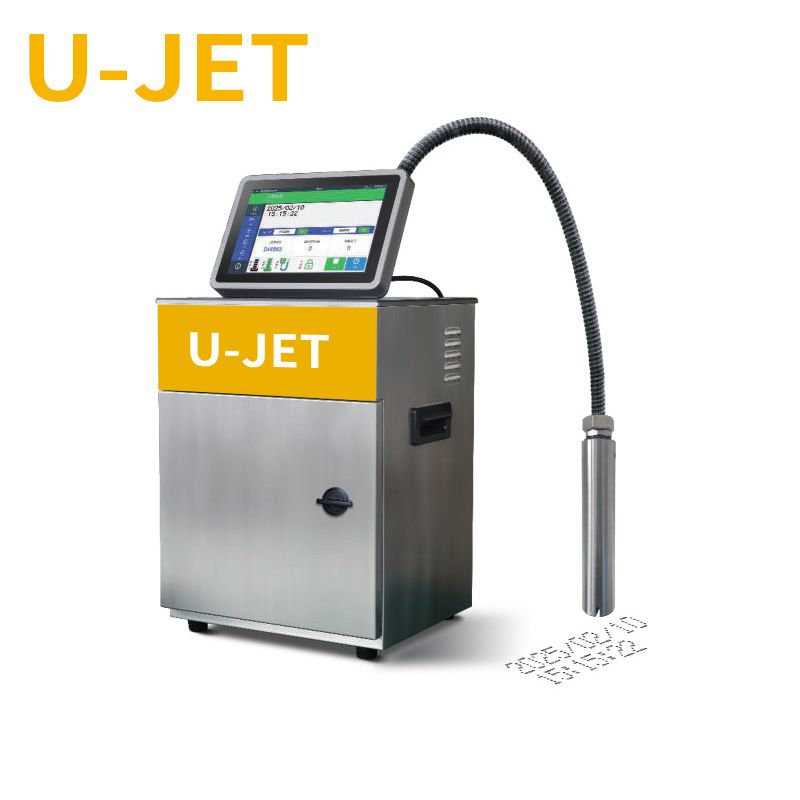
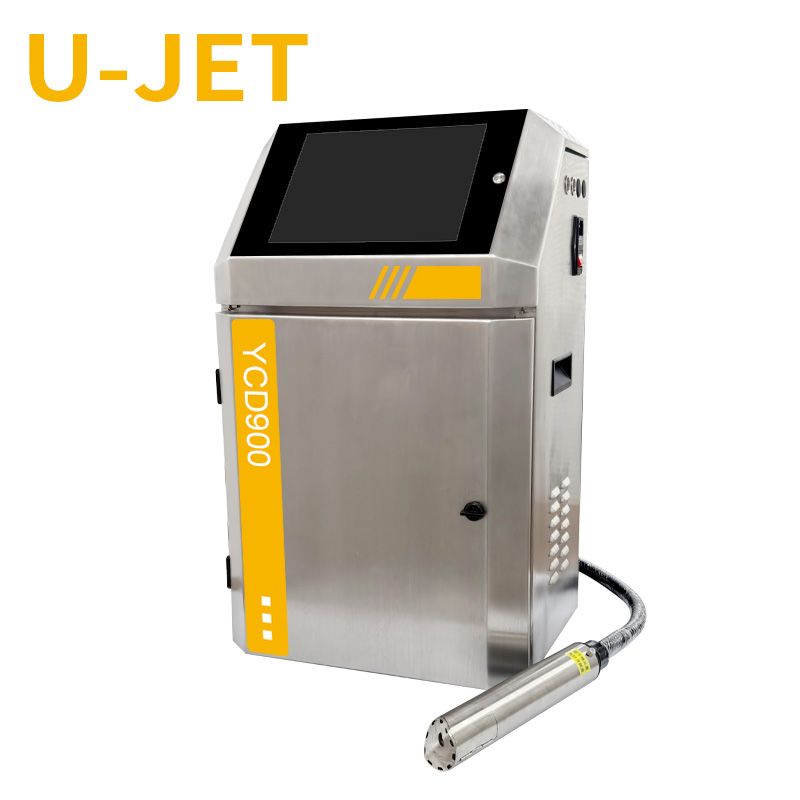
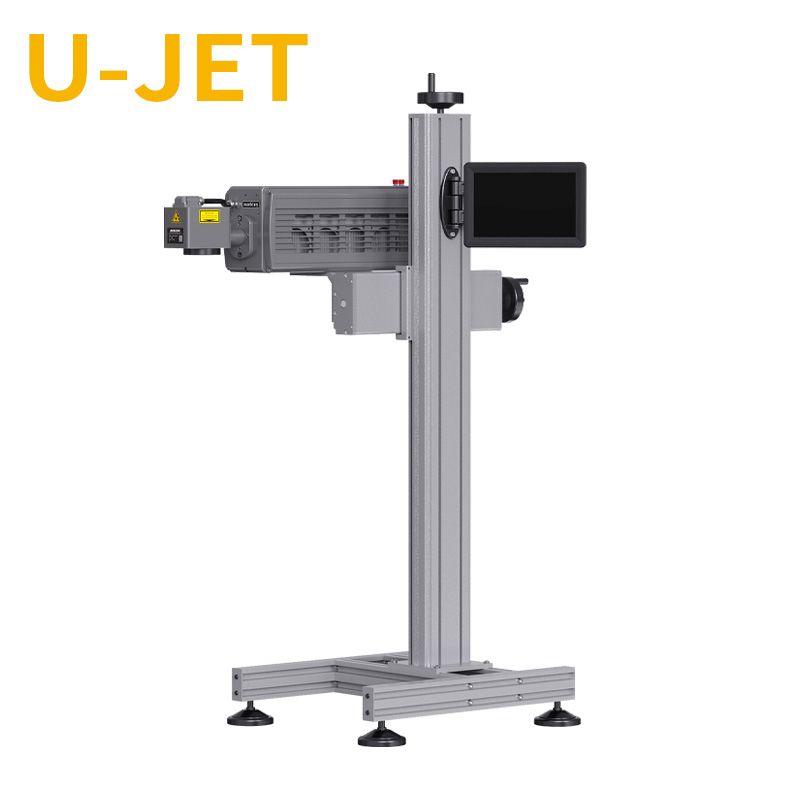
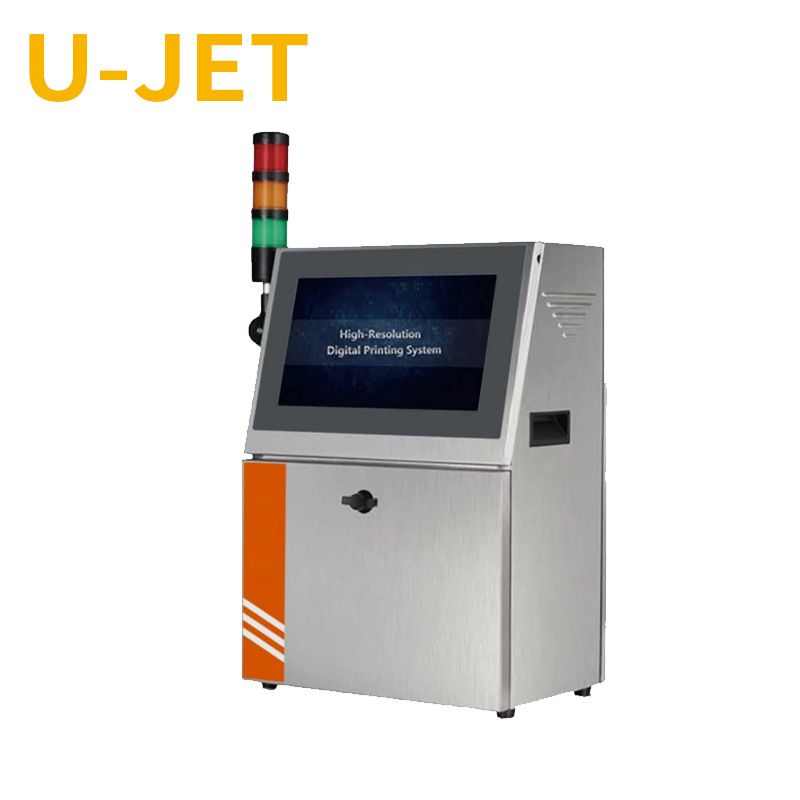
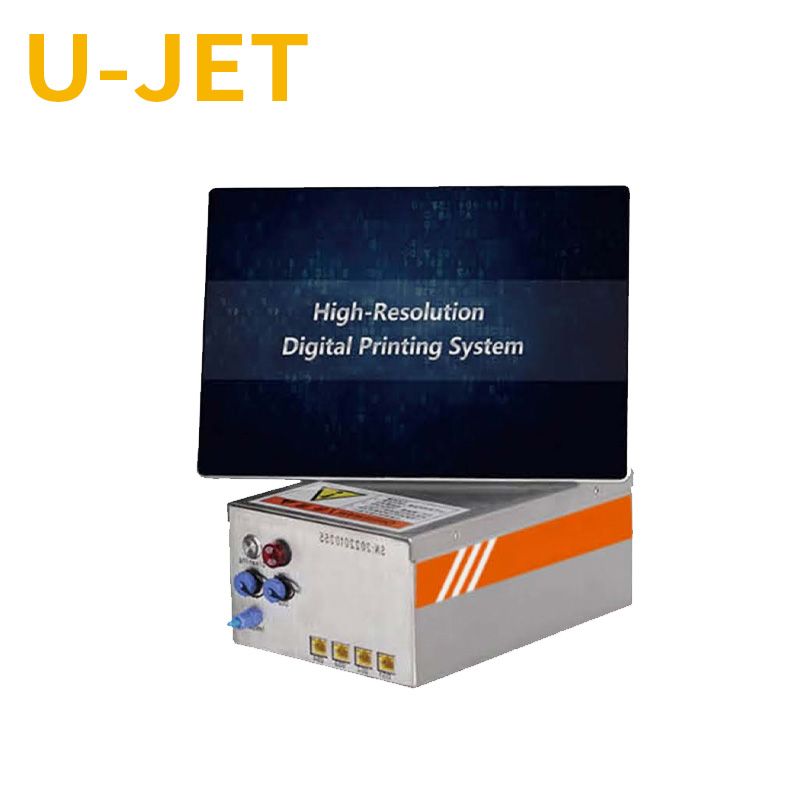
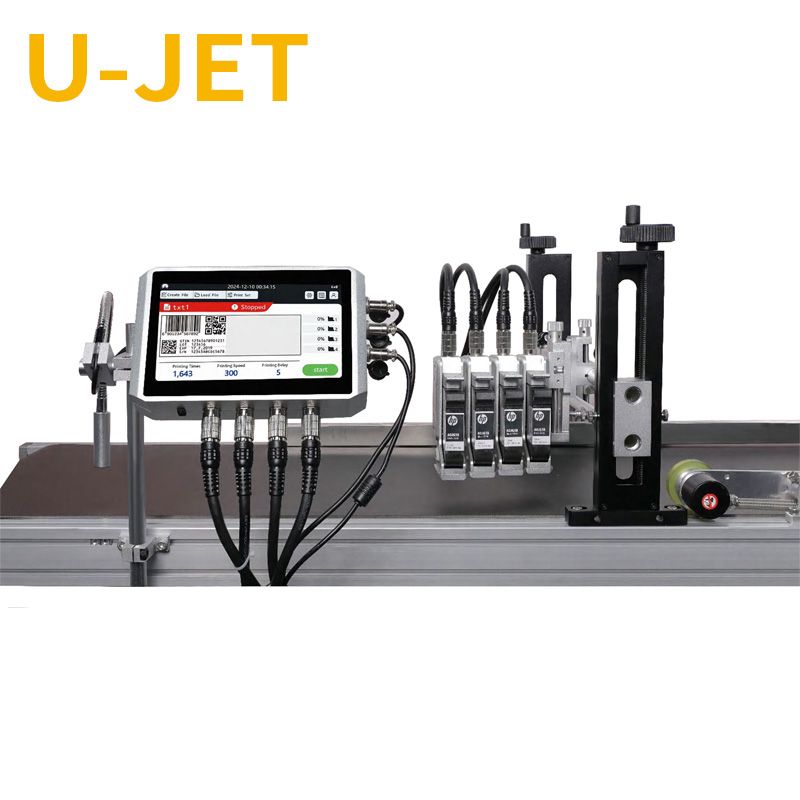
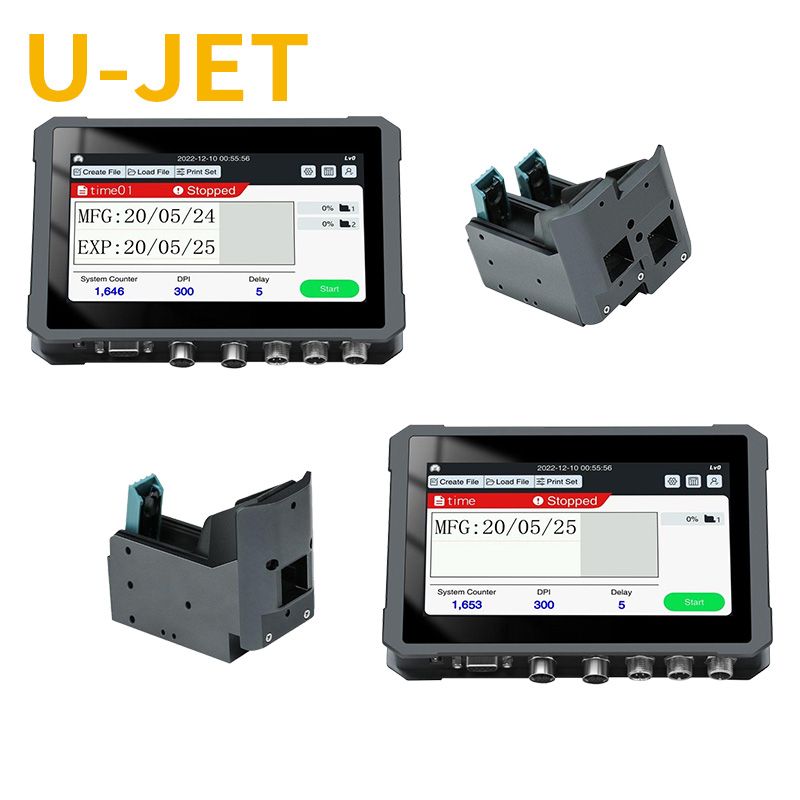
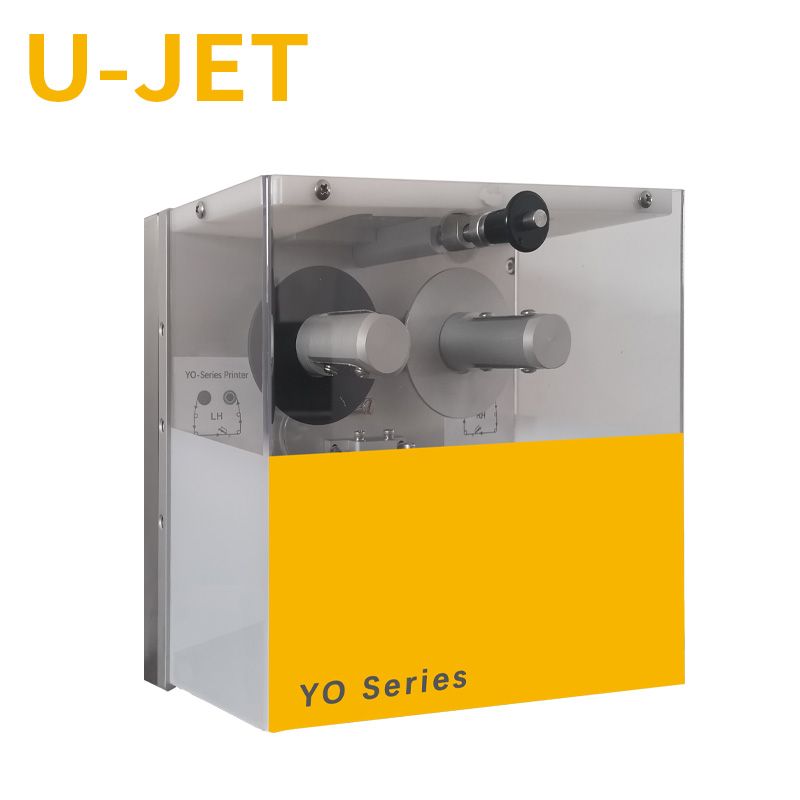
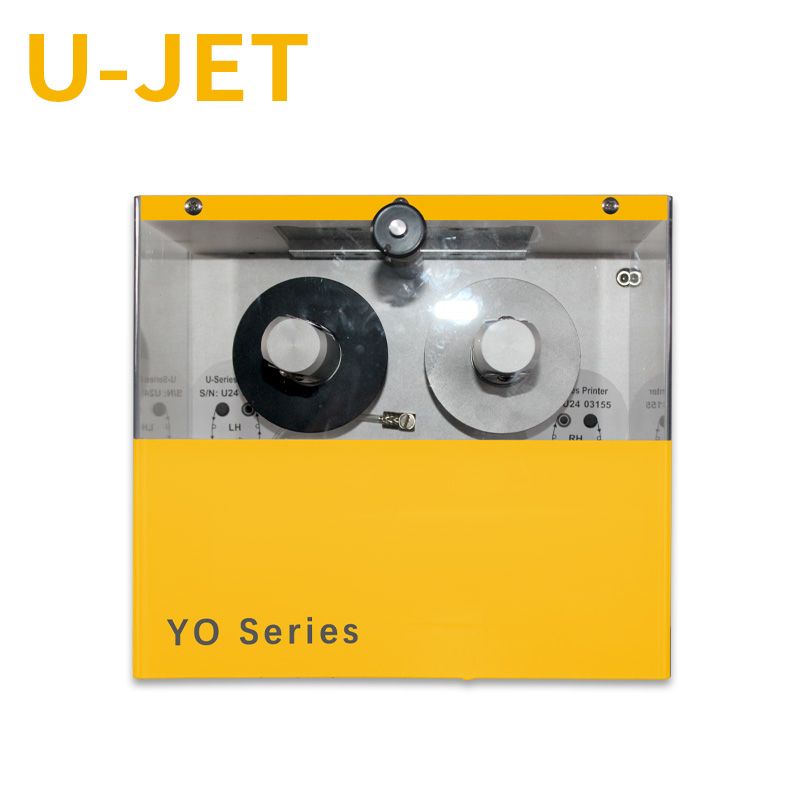
Continue Inkjet Printer:
Reliable Coding for Industrial Production
Continuous Inkjet (CIJ) technology is a established method for high-speed product identification and traceability. These systems are designed to print alphanumeric codes, batch numbers, barcodes, and logos on various substrates in industrial environments.
Key Characteristics & Industry Advantages
● Non-Contact Printing:The printhead operates at a distance from the product surface. This allows for effective coding on irregular shapes, such as bottles and cables.
● Adaptability to High-Speed Lines:CIJ printers can maintain print quality at common industrial line speeds, supporting efficient production throughput.
● Operational Reliability:The design of CIJ systems prioritizes stability for continuous operation in demanding environments, such as those with dust or vibration.
● Compatibility with Functional Inks:These printers can work with a range of specialized inks — including fast-drying, high-adhesion, or chemical-resistant formulations — to ensure legibility on different surfaces.
● Flexible Data Handling:They support the integration of variable data, such as sequential numbers and real-time clock information, into the print message.
Suitable Materials
CIJ printers are suitable for coding on both porous and non-porous materials, including:
● Plastics: Bottles, containers, caps, and films.
● Metals: Cans, lids, and components.
● Glass: Bottles and jars.
● Paper & Cardboard: Cartons and packaging boxes.
Common Industry Applications
The technology is commonly implemented in industries where product identification and traceability are standard requirements:
● Food & Beverage: For printing production dates and batch codes on packaging.
● Pharmaceuticals: Used to mark expiration dates and lot numbers on product packaging.
● Electronics & Automotive: For applying permanent codes to components and wires for identification.
● Chemicals & Agriculture: Coding on packaging for fertilizers, pesticides, and other industrial products.