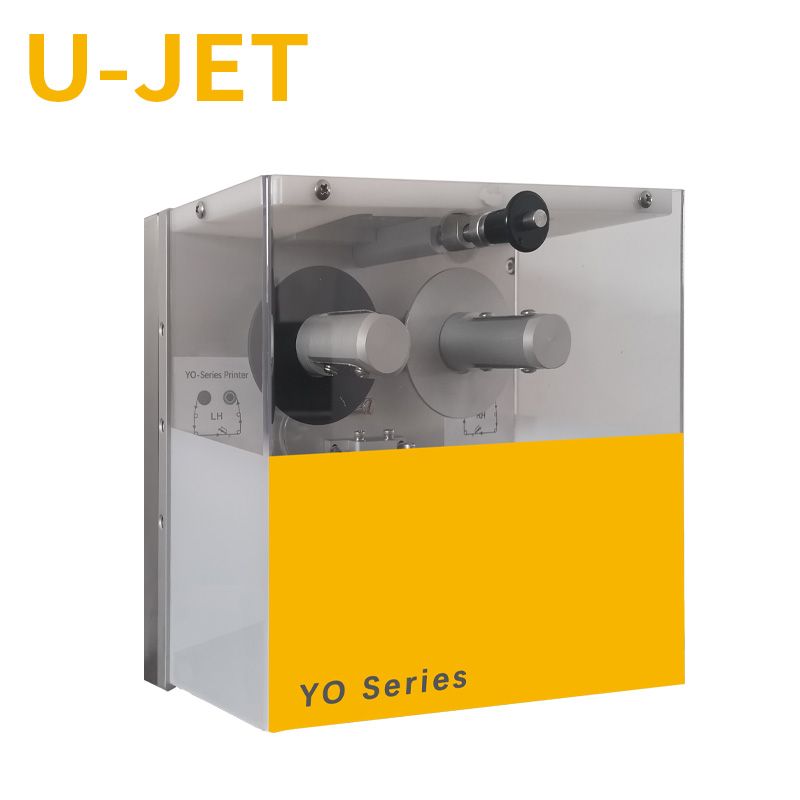
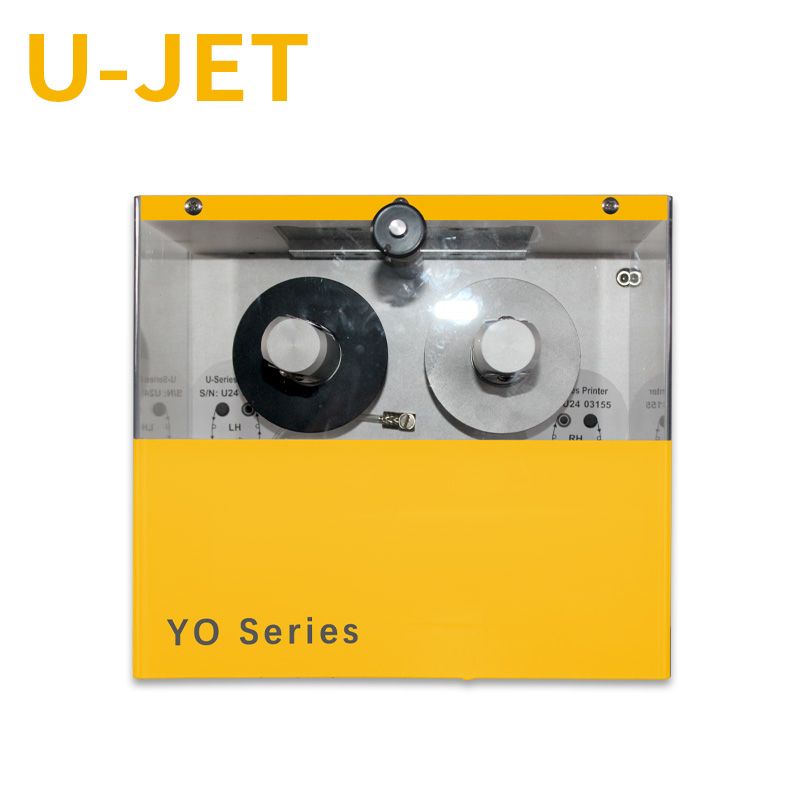
PIJ Inkjet Printer:
High-Resolution Coding Solution
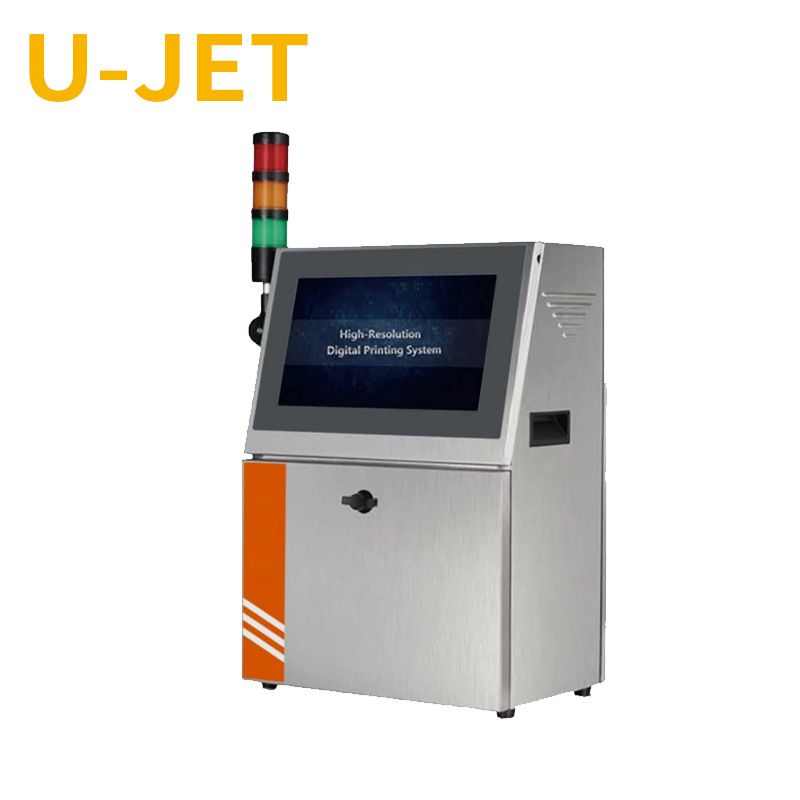
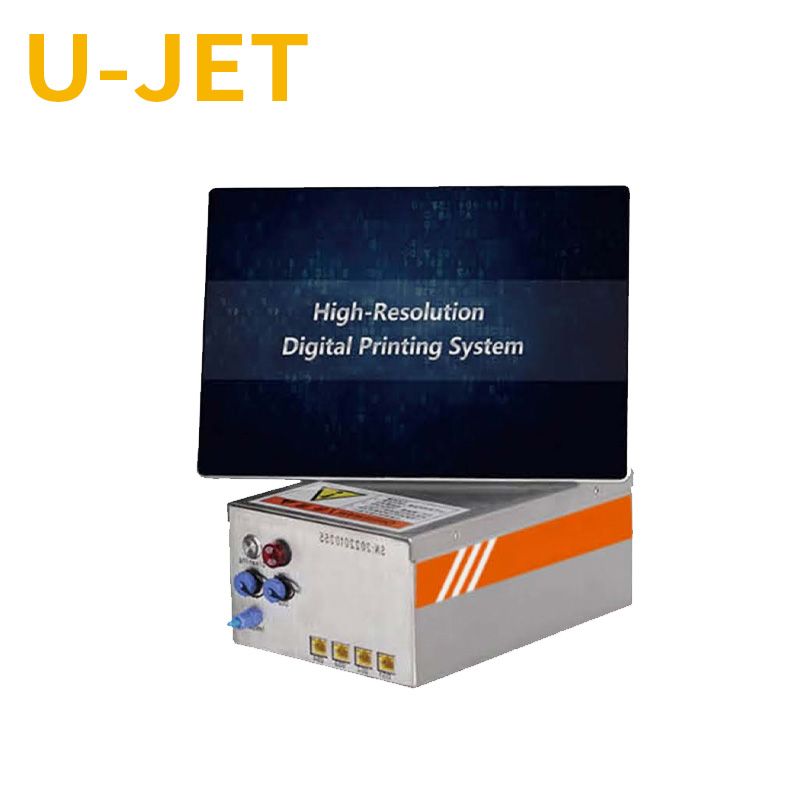
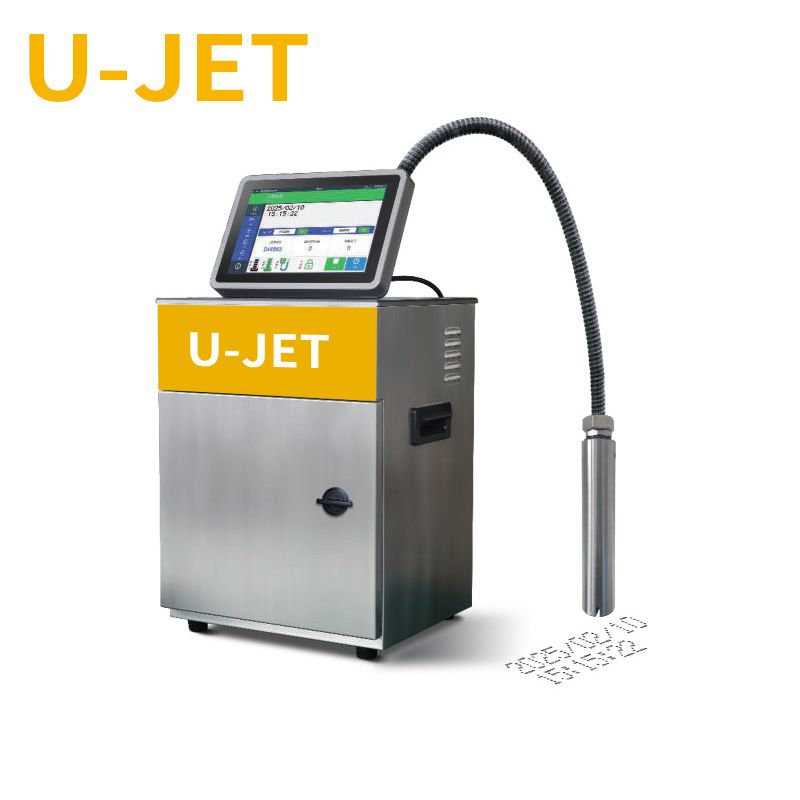
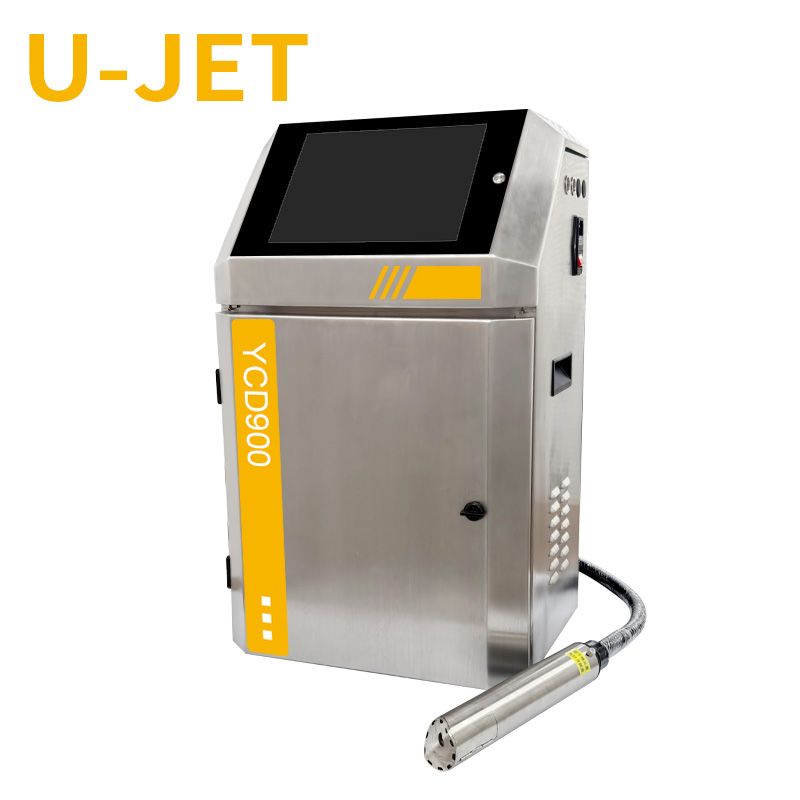
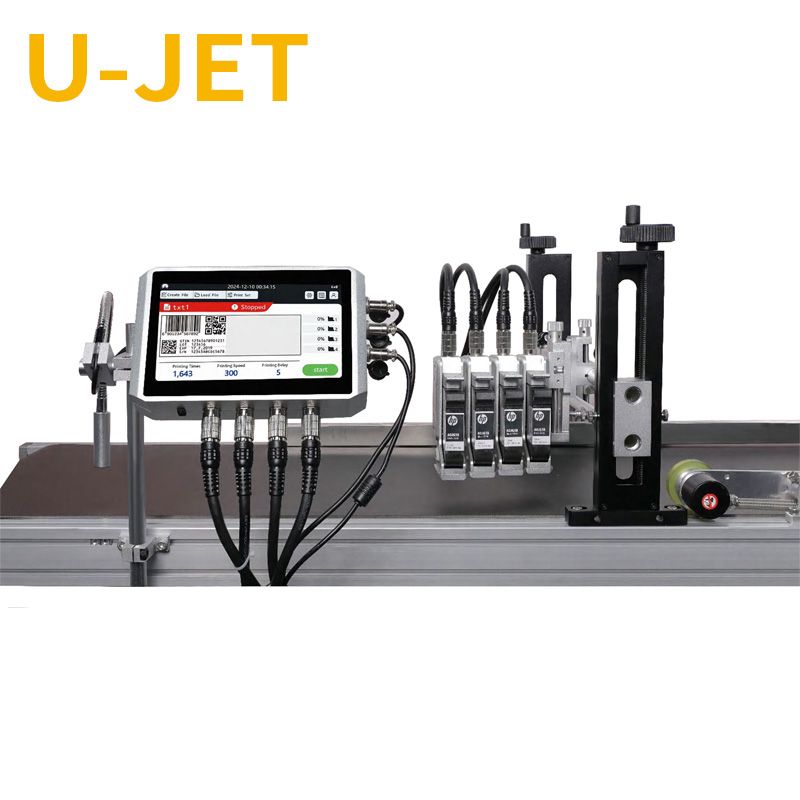
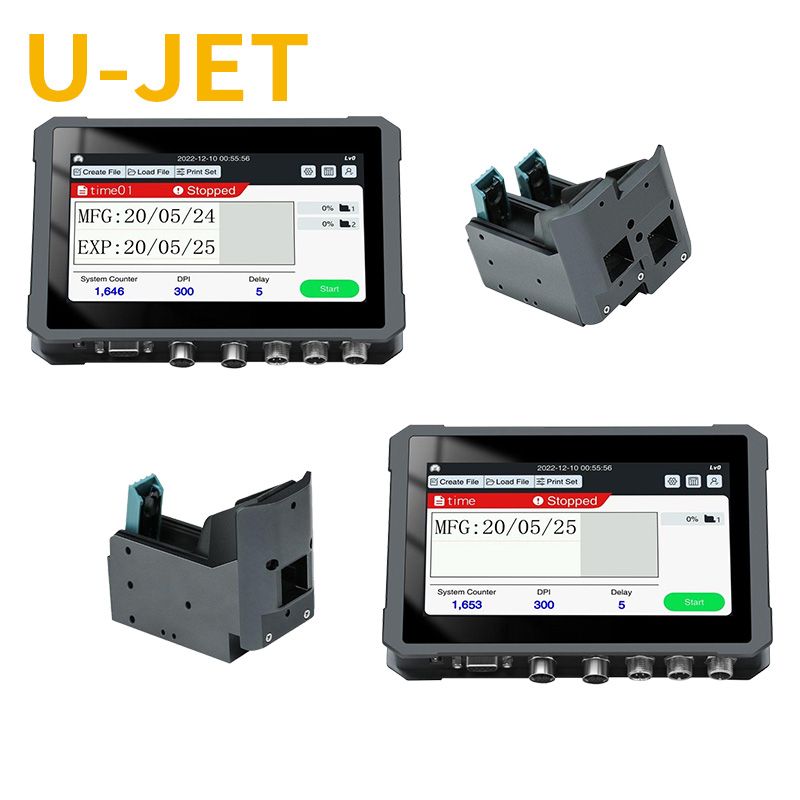
Piezoelectric Inkjet (PIJ) printers employ a drop-on-demand technology. Ink droplets are released precisely through the controlled deformation of piezoelectric crystals, which allows for high-resolution marking on various surfaces.
Key Characteristics & Operational Advantages
● High-Resolution Printing:PIJ technology supports the printing of detailed graphics, small text, and high-density barcodes. Typical resolutions range from 200 to 360 dpi, contributing to good code legibility.
● Precise Drop-on-Demand Operation:This method generates ink droplets only when required for printing. This approach supports consistent print quality and can reduce ink consumption.
● Compatibility with Various Inks:PIJ systems can utilize different ink types, such as water-based, solvent, and UV-curable inks. This allows for adaptation to different production environments and material properties.
● Minimal Routine Maintenance:The printhead design does not require a continuous solvent supply or a complex ink circulation system. This design typically results in lower maintenance requirements compared to continuous inkjet (CIJ) systems.
Suitable Materials
PIJ printers are used on a range of porous and non-porous materials:
● Plastics: Including PET, PVC, PE, and polypropylene (PP).
● Paper & Cardboard: Such as coated cartons and packaging labels.
● Metals: Primarily on coated metal surfaces.
● Other Surfaces: Including glass and ceramics.
(The final print quality and adhesion depend on material composition, surface energy, and ink selection. Verification testing with specific products is recommended.)
Common Industry Applications
This technology is implemented in sectors that require high-quality product marking:
● Packaging: Used for printing barcodes, QR codes, and graphics on cartons and secondary packaging.
● Food & Beverage: Applying expiration dates, batch codes, and logos on flexible packaging and labels.
● Pharmaceuticals: Marking variable data and tracking codes on product packaging.
● Electronics: Printing on circuit boards (PCBs) and electronic components.